Natural Diamond Guide
Discover how nature, time, and pressure create true brilliance. A guide to the authenticity and legacy of natural diamonds.
True Origin
Why Choose a Natural Diamond?
Because true beauty is born, not made.
A natural diamond is more than a gem — it’s a masterpiece of nature, formed over billions of years deep within the Earth. Every facet tells a story of time, pressure, and transformation — a symbol of endurance, love, and authenticity.
Unlike lab-grown alternatives, each natural diamond is completely unique, carrying its own fingerprint of light and character. Its rarity and timeless brilliance make it an heirloom of emotion — a connection between generations, crafted by nature and perfected by human artistry.
When you choose a natural diamond, you don’t just wear elegance — you wear a piece of Earth’s most extraordinary creation.
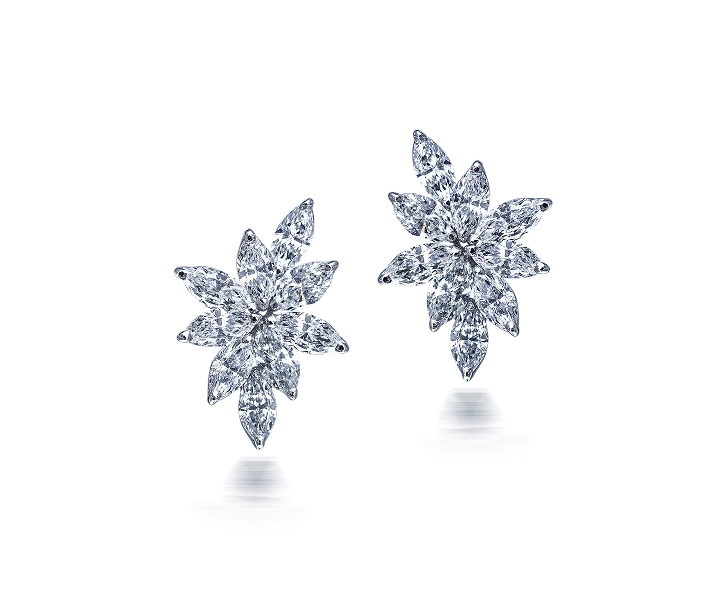
Natural Diamond Guide
THE 4 Cs OF DIAMONDS
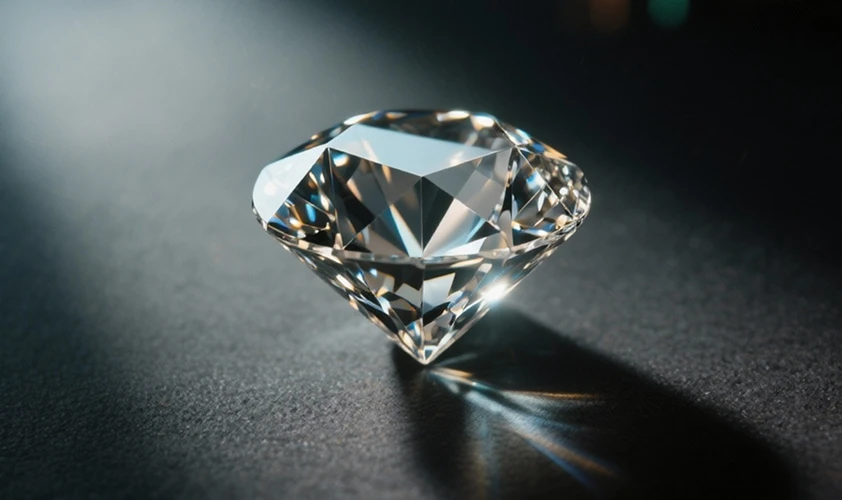
CARAT
Carat is often confused with size even though it is actually a measure of weight. One carat equals 1/5 of a gram in weight. In other words, one carat is equivalent to 200 milligrams. For natural diamonds under a carat, each carat is divided into 100 points – similar to pennies in a dollar.
For example ~ 0.75ct. = 75 points, ½ ct. = 50 points.
CLARITY
Refers to the presence of inclusions in a natural diamond.
Every natural diamond is unique, carrying natural inclusions that act as its fingerprint. These tiny crystals, clouds, or feathers form deep within the earth and influence a natural diamond’s value. Jewelers use a magnifying loupe at 10x to examine clarity, with natural diamonds graded on a scale from Flawless (F) to Included (I3). Because flawless natural diamonds are rare, they are the most prized.
CUT
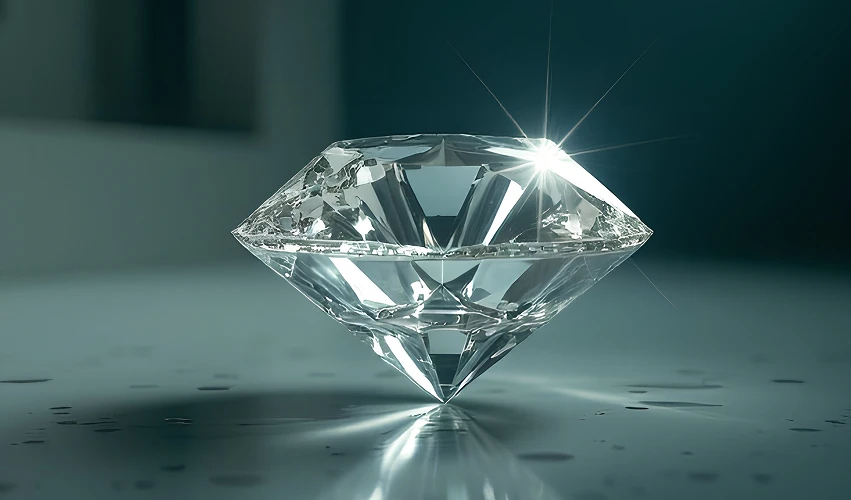
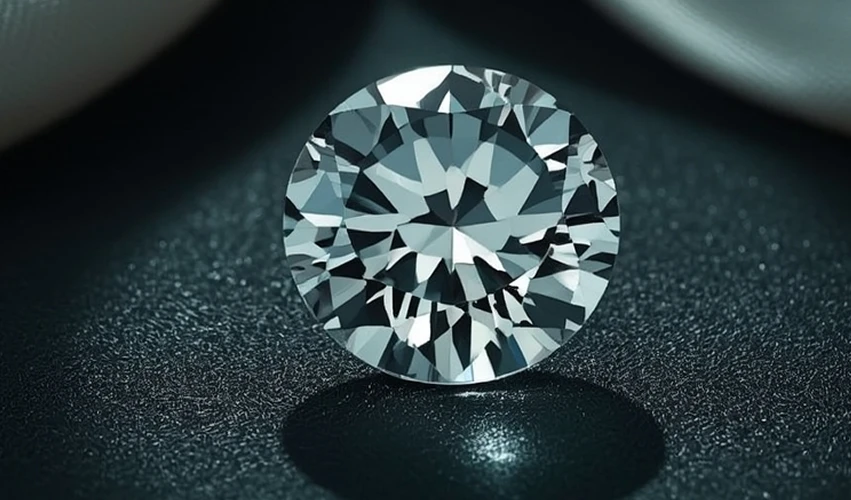
Refers to the angles and proportions of a natural diamond.
Nature determines so much about a natural diamond, but it takes a master cutter to reveal a stone’s true brilliance, fire and ultimate beauty.
Based on scientific formulas, an ideal-cut natural diamond will internally reflect light from one mirror- like facet to another, and disperse and reflect it through the top of the stone. This results in a display of brilliance and fire, thereby placing well-cut natural diamonds higher on the Diamond Quality Pyramid than deep or shallow-cut natural diamonds. Natural Diamonds that are cut too deep or too shallow, lose or leak light through the side or bottom resulting in less brilliance and, ultimately, value.
COLOR
Refers to the degree to which a diamond is colorless.
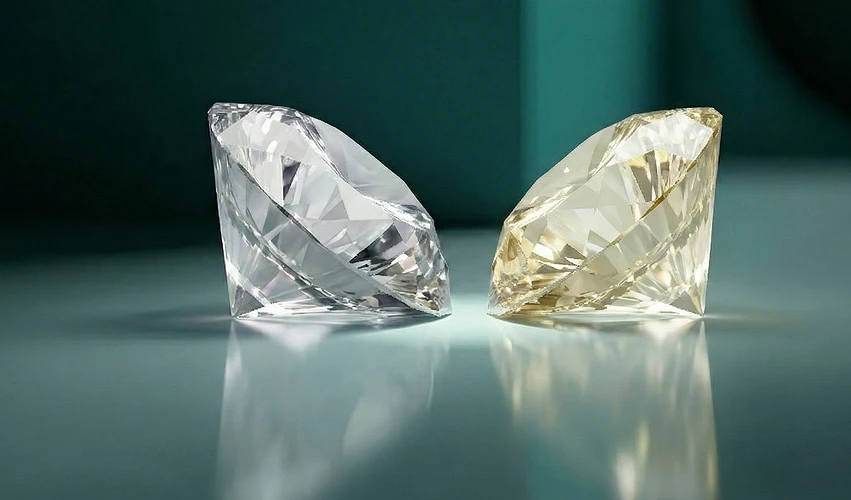
Natural Diamonds are found in almost every color of the rainbow, but white-colored diamonds remain most popular.
Natural Diamonds are graded on a color scale established by the Gemological Institute of America (GIA). The GIA Color Scale extends from D (colorless) to Z (light yellow or brown). The color differences are very subtle and it is very difficult to see the difference between, say, an E and an F. Therefore, colors are graded under controlled lighting conditions and are compared to a master set for accuracy.